 TeamTrace
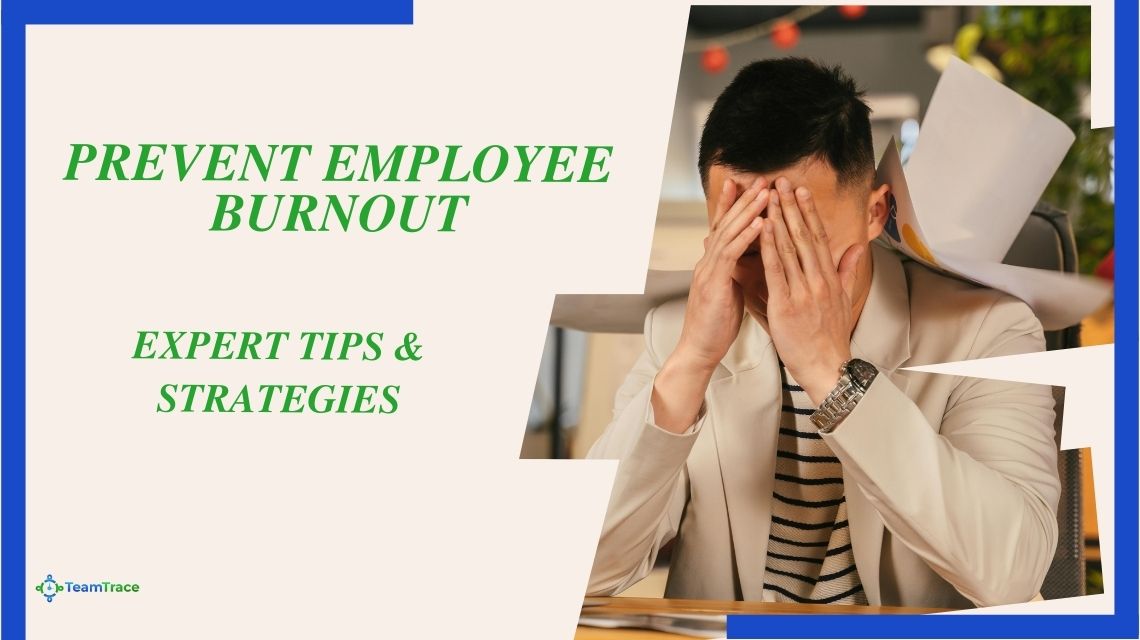


The burden of feeling an “always on work” temperament has taken a toll on the mental health and well-being of employees. A Gallup Workplace Survey has revealed that 74% of employees experienced burnout on the job at least sometimes. The World Health Organization (WHO) even recognized burnout as an occupational phenomenon in its 11th revision of the International Classification of Diseases.
To help businesses address this, TeamTrace hosted a webinar offering actionable strategies for managing and preventing burnout. It’s time for managers to lead the charge in fostering a work culture that prioritizes mental health.
Employee burnout is much more than just feeling stressed at work. It is a state of chronic physical and mental exhaustion that can occur when employees feel overwhelmed and unsupported from their roles. So, it isn’t just limited to fatigue. It manifests as a prolonged response to stress, where an employee’s motivation, energy, and performance dwindle, ultimately leading to disengagement and decline in health.
At its core, employee burnout stems from an environment where the demands of the job far outweigh the resources and support available to employees. This imbalance, in both global enterprises and startups, creates a huge burnout storm. The fast-moving, all-hands-on deck culture can push employees past their limits without offering adequate recovery time.
Employee burnout doesn’t happen overnight. It emanates from a combination of internal and external factors. The causes of employee burnout typically fall into three main categories:
Some individuals are more prone to burnout due to their personality traits. Over-achievers, perfectionists, and pessimists are particularly vulnerable. These employees often push themselves to the limit, setting high expectations and refusing to acknowledge their limits.
A poor work-life balance is one of the most common causes of employee burnout. When work seeps into personal time or personal issues begin to affect work, the pressure builds up, ultimately leading to burnout.
Several factors contribute to work-related stress, and it stands as one of the most prevalent causes of employee burnout.
No wonder why dealing with employee burnout has emerged to be crucial. It’s essential for organizations to create a work environment where employees feel valued, heard, and properly compensated for their efforts.
On November 8, 2024, TeamTrace hosted its first-ever webinar, “Strategies for Managing Employee Burnout,” drawing a diverse group of HR professionals, business leaders, and decision-makers.
The expert panel at TeamTrace offered valuable insights on preventing and managing burnout.
The webinar provided actionable strategies to tackle burnout in the workplace:
Increased organizational strain and extended work hours impact employees hugely. They become the shock absorbers, and in turn, are left drained out. Spotting the early signs of burnout is crucial to eradicate it at its very root.
Burnt-out employees show a decline in motivation, manifesting in tardiness, missed deadlines, skipped meetings, or avoiding breaks. In remote or hybrid settings, detecting these signs is more challenging due to limited face-to-face interaction.
Work-related stress often leads to frustration and irritability. Employees become short-tempered, and early detection of this symptom can help prevent escalation.
Burnout hampers focus and decision-making, leading to frequent mistakes. These errors, if not addressed early, can significantly impact performance.
Burnt-out employees withdraw from social and professional interactions. In remote work settings, this behavior may be harder to spot but still affects team cohesion and collaboration.
Employees may express doubt about company goals and leadership, leading to disengagement. If ignored, this negativity can harm productivity and morale.
Increased complaints about workload, coworkers, or leadership are common burnout signs. Left unaddressed, they can foster negativity and undermine team dynamics.
In a recent report released by the Boston Consulting Group (BCG), it has been revealed that, on average, 48% of workers from eight countries indicate that they are currently struggling with burnout. Its impact is lethal and can have varied dreary consequences.
Burnout erodes productivity. It impacts how employees show up. Employees facing this challenge are more likely to take extra sick days, not out of illness but to escape the surmounting work pressure. This puts extra stress on teammates, leading to even more burnout in a vicious cycle.
When employees reach their breaking point, they often start looking for an escape, whether that’s leaving the organization or shifting roles. High turnover is much more than a business problem. It means parting with talent, relationships, and a sense of continuity, often leaving those behind feeling overburdened. In fact, it also casts an adverse impact on the company reputation as a whole because employees are the spokesperson of an organization in the first place.
The effects of burnout ripple through the company, often in ways that aren’t immediately visible. Beyond the obvious costs of absenteeism and turnover, burnout leads to lost productivity, lower morale, and diminished performance. This ultimately hits the bottom line—an often silent but powerful reminder that people are a company’s greatest asset.
When employees are burned out, their enthusiasm and energy for the job fade. What once felt like an exciting challenge can quickly become a burdensome task. The result? A noticeable dip in productivity. It’s the overwhelming mental and physical exhaustion that makes even simple tasks feel insurmountable.
Burnout often leads to social withdrawal and irritability, which can sour team dynamics. Colleagues who were once supportive may now seem distant, and collaboration can feel like a chore. This emotional distance affects trust and camaraderie, which are essential for a positive work environment.
Workplace burnout can degrade the culture of an entire company. As employees become disengaged, frustrated, or cynical, the workplace atmosphere shifts from one of collaboration and positivity to one of disengagement and stress. A once vibrant culture can quickly become toxic, affecting everyone in the organization.
The hazardous consequences of burnout on employees’ physical and mental health are not unknown. But, it also results in expensive implications for the business. Considering the case of the US alone, the cost of absenteeism is $300 billion a year in insurance, employee turnover, and work productivity.
Against such circumstances, the HR department needs to be proactive and take action in figuring out employee burnout causes and cures, while coming up with solutions to prevent it altogether.
The rigid 9-to-5 structure doesn’t always fit into everyone’s life, and that’s especially true for employees who are feeling burnt out. By offering flexible work hours and remote work options, HR empowers employees to manage their own schedules and work from a place that suits them best. This helps alleviate stress and gives employees the control they need to maintain a healthier work-life balance.
Offering access to mental health resources, such as counseling, therapy sessions, or employee assistance programs (EAPs), is one of the most effective ways to support employees. These programs give employees a safe space to talk through their stress, anxieties, and personal challenges.
When employees feel unappreciated, burnout tend to set in faster. HR teams can implement regular recognition programs, be it through small gestures like “Employee of the Month” or larger incentives like bonuses or extra time off. These acts of recognition show employees that their hard work and dedication matter, lifting their spirits and motivating them to continue giving their best.
Promoting overall health and well-being can reduce the risk of burnout. Offering wellness initiatives such as fitness classes, yoga sessions, meditation breaks, or gym memberships can help employees de-stress and recharge. HRs can create a culture that values not just physical health but also mental and emotional well-being, helping employees feel more balanced and energized.
Equipping employees with the tools to manage stress through resilience training or workshops focused on time management, coping strategies, and mindfulness may prove to be beneficial. HRs can bring in experts or provide resources that teach employees how to better navigate challenges at work. This empowers individuals to take control of their own well-being, reducing the chances of burnout before it starts.
Employees often feel guilty about taking time off, especially when under pressure. HRs can encourage taking regular breaks throughout the day and ensuring employees use their vacation days. Time away from work allows employees to reset, recharge, and return with renewed energy. Encouraging employees to step away from their desks is not just about time off; it’s about respecting their need for mental space to thrive.
Recovering from burnout is a journey that requires the active involvement of both managers and the organization as a whole. When employees feel supported and their holistic needs are met, they are less likely to experience burnout in the first place.
Managers can guide employees through recovery and build a healthier workplace that prevents burnout in the long run by following these tips:
Burnout at work often originates from the feeling of being overly burdened or lacking direction. Managers need to step in and help employees regain a sense of purpose by setting clear, achievable goals that are meaningful to them.
It is crucial to ensure that these goals align with the organization’s mission while also allowing employees to feel a sense of personal accomplishment. When employees have a clear path to success and can see how their work contributes to the larger picture, they’re more likely to stay engaged and energized.
Efforts ought to be taken to ensure that roles and workloads are structured in a way that is achievable and balanced. Overloading employees with too many tasks or unrealistic deadlines can quickly lead to burnout.
Further, employees need to have access to adequate time and resources to meet their goals without sacrificing their mental or physical health. Setting realistic expectations and providing the necessary support will help reduce stress and make work feel more manageable.
Burnout doesn’t happen owing to any single factor. In most cases, it emerges because of unsustainable workloads or lack of support. To combat this, creating a culture of teamwork and shared responsibility is crucial.
When employees work together, they can support one another, lighten the load, and approach challenges as a team. Shared accountability fosters a sense of camaraderie, where everyone contributes to the success of the project and looks out for each other’s well-being. This sense of connection can reduce feelings of isolation and stress.
Creating an open channel for employees to share feedback is essential for understanding and addressing burnout. Employees who feel their voices are heard are more likely to feel valued and engaged.
Soliciting feedback through surveys, one-on-one meetings, or anonymous channels periodically is essential. This not only helps identify potential burnout risk factors but also shows employees that their opinions matter.
TeamTrace, with its comprehensive suite of tools, offers organizations the ability to actively monitor and manage workloads, ensuring that employees are not overly burdened and that their skills are being used effectively. Here’s how:
One of the key contributors to burnout is an imbalance in workload distribution. TeamTrace’s Resource Management Tab allows managers to see in real-time who is overloaded with tasks and who has the bandwidth to take on more. This visibility ensures that workloads are evenly distributed, preventing any employee from feeling pressurized.
With TeamTrace’s Project Management Suite, managers gain a real-time overview of project updates, progress, and individual task completions. This ensures that no employee is left struggling with an unmanageable workload. Therefore, managers can track project milestones and identify if a team member is taking on too much responsibility or if someone is underutilized.
An underutilized employee can also be at risk of facing anxiety, as lack of engagement and a sense of purpose can lead to dissatisfaction. TeamTrace’s platform helps identify employees who have the bandwidth to take on projects and ensures they are given meaningful work that aligns with their skills and career goals.
To avoid burnout as an employee, it’s essential to set clear boundaries between work and personal life, manage the workload by breaking tasks into manageable steps, and take regular breaks to recharge.
Burnout can be prevented by managing workloads effectively, setting clear boundaries between work and personal life, and taking regular breaks to avoid mental and physical exhaustion. Employees ought to prioritize self-care, stay organized, and communicate openly with managers when feeling stressed.
The three Rs of burnout are Recognize, Reverse, and Resilience. To avoid burnout as an employee, first recognize the early signs of stress, such as fatigue or disengagement. Next, reverse burnout by addressing the causes, setting boundaries, managing workloads, and seeking support from managers or peers. Finally, build resilience by practicing self-care, maintaining a healthy work-life balance, and developing coping strategies to manage stress in the long term.
To motivate employees who are burned out, it’s important to offer support, empathy, and understanding. Start by acknowledging their struggles and providing a safe space for open communication. Further, it is important to encourage a manageable workload, set realistic expectations, and offer flexibility where possible.
It is essential to focus on maintaining a healthy work-life balance by setting clear boundaries, managing your workload, and taking regular breaks to recharge. Burnout can also be easily prevented by delegating tasks when necessary and practicing stress-relief techniques like exercise or meditation.